Why home blood pressure monitoring matters
High blood pressure (hypertension) often has no symptoms, so regular measurement is the only way to catch it. Checking at home also avoids "white-coat" spikes that happen at the clinic, and lets you and your doctor see trends over weeks rather than a single reading.
Upper-arm vs wrist monitors: which is more accurate?
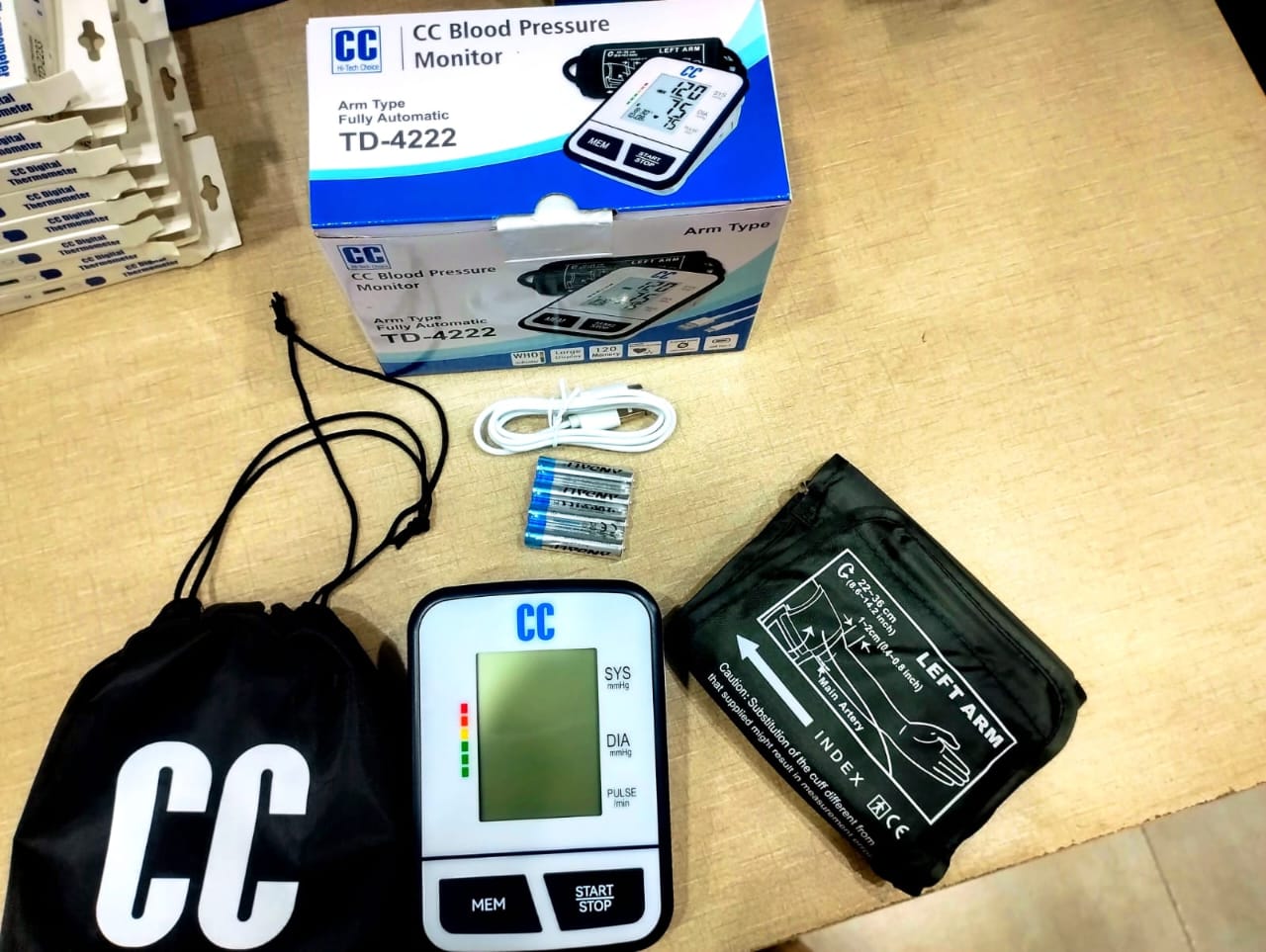
Upper-arm monitors are the standard recommended for home use. The artery in the upper arm sits at heart level and is easier to measure consistently. Wrist monitors are more sensitive to position and body movement, so they tend to be less reliable unless used exactly as instructed.
What cuff size do I need?
A cuff that is too small reads falsely high; too large reads falsely low. Measure the circumference of your upper arm and match it to the cuff range. Most adults are covered by a standard 22–32 cm cuff; larger arms need a wide-range or large cuff.
How accurate should a monitor be?
Look for a device that is clinically validated with a stated accuracy of ±3 mmHg for pressure and ±5% for pulse. An irregular-heartbeat indicator is a useful extra that flags a possible arrhythmia during measurement.
Feature comparison at a glance
| Feature | Why it matters | Look for |
|---|---|---|
| Measurement site | Accuracy & consistency | Upper arm |
| Accuracy | Trustworthy numbers | ±3 mmHg |
| Cuff size | Correct readings | 22–32 cm (most adults) |
| Irregular heartbeat | Flags arrhythmia | Yes |
| Power | Convenience | Batteries + optional AC adapter |
How to take an accurate reading
- Sit quietly for 5 minutes first; rest your back and keep feet flat.
- Support your arm on a table so the cuff is at heart level.
- Don't talk during the measurement.
- Take two readings a minute apart and record the average.
- Measure at the same times each day (for example, morning and evening).
Understanding your numbers
Blood pressure is written as systolic/diastolic (for example, 120/80 mmHg). Generally, below 120/80 is ideal, 120–139/80–89 is elevated to stage-1, and 140/90 or above is high. These are general guides — discuss your targets with your doctor, especially if you have diabetes or kidney disease. Our heart health guide explains why these numbers matter so much in Pakistan.