
Why is losing weight so hard in Pakistan?
It is rarely willpower. The everyday Pakistani diet is built around refined carbohydrates — naan, paratha, white rice, biscuits with chai, bakery rusk — and these digest fast, spike blood sugar and leave you hungry again within two hours. Add sweetened drinks, late dinners and long sitting hours, and a daily calorie surplus builds up quietly without any single meal feeling excessive.
The fix is not an exotic diet. It is rebuilding the same familiar meals so they contain more protein and fibre and fewer refined carbohydrates.
Can you really lose weight without medicine or exercise?
Yes — for most people, diet change alone produces the weight loss. Physical activity is genuinely valuable for your heart, blood sugar, mood and for keeping muscle while you lose fat, but it is a poor calorie-burning tool: a 30-minute walk burns roughly what is in one samosa. If you cannot exercise right now because of joint pain, work hours or a medical condition, you can still lose weight.
What you should not do is buy unregulated "slimming" capsules, fat-burner teas or injections sold on social media. Products of unknown composition have repeatedly been found to contain hidden stimulants, diuretics or laxatives. Any prescription weight-loss medicine is a decision for your doctor after assessing your BMI and health history — not an online purchase.
How fast should weight come off?
Aim for 0.5 to 1 kg per week, which corresponds to eating roughly 500 calories per day less than you burn. Faster loss is mostly water and muscle, and it reliably comes back. Over three months, a steady 0.75 kg per week is about 9 kg — a change that visibly alters your clothes, blood pressure and blood sugar.
What a realistic timeline looks like
| Timeframe | Expected loss | What you notice |
|---|---|---|
| Week 1 | 1–2 kg | Mostly water weight as carbohydrates drop |
| Weeks 2–4 | 0.5–1 kg per week | Clothes loosen at the waist; less bloating |
| Months 2–3 | 3–4 kg per month | Visible change; energy and sleep improve |
| Month 6 | 15–20 kg total | Blood pressure and fasting sugar often improve |
How do I eat enough to not feel hungry?
This is the part almost every crash diet gets wrong. Hunger is driven far more by what you eat than by how much. Three levers control it:
- Protein at every meal. Eggs, chicken, beef, fish, dal, chana, yoghurt, paneer. Protein is the most filling macronutrient and it protects muscle while you lose fat. Target roughly a palm-sized portion per meal.
- Volume from vegetables. Bhindi, tori, karela, cabbage, palak, salad, soup. These fill your stomach for very few calories.
- Fibre and slow carbohydrates. Chana dal, masoor, brown rice, oats, whole-wheat roti in a controlled portion — instead of maida, white rice and bakery items.
Get those three right and you eat a full plate, finish satisfied, and are still in a calorie deficit. That is the entire trick behind "losing weight without hunger" — no special product required.
A sample day that works with a Pakistani kitchen
- Breakfast: two or three eggs (anda bhurji with onion and tomato) with one whole-wheat roti, or a bowl of oats with milk and a few nuts. Chai without sugar or with a sweetener.
- Lunch: one roti with chicken or beef salan, plus a large salad or a bowl of dal. Half your plate should be vegetables.
- Snack: yoghurt, a fruit, roasted chana, or a boiled egg — not biscuits or bakery items.
- Dinner: grilled or karahi chicken/fish with sabzi and salad. Keep rice to one small bowl if you have it, and eat at least two to three hours before sleeping.
Swaps that cut the most calories for the least effort
| Instead of | Choose | Roughly saves |
|---|---|---|
| Soft drink or packaged juice (regular) | Water, plain lassi, sugar-free drink | 140–180 kcal per glass |
| Chai with 2 tsp sugar, ×4 daily | Chai without sugar | ~160 kcal per day |
| Paratha | Whole-wheat roti (no extra ghee) | 150–250 kcal each |
| Fried snacks (samosa, pakora) | Roasted chana, fruit, yoghurt | 150–300 kcal |
| Two plates of biryani | One plate plus salad and raita | 400–600 kcal |
Three of those swaps alone can put most people into the deficit they need — without removing a single meal.
What about "fat-burner" teas, wraps and slimming pills?
There is no food, drink, herb or wrap that removes body fat on its own. Green tea, lemon water, jeera water and apple-cider vinegar are fine to drink, but their effect on weight is negligible; any results people report come from the diet changes made at the same time. Sweat suits and body wraps remove water, which returns the moment you drink. Laxative "slimming teas" cause dehydration and electrolyte loss, not fat loss.
If you are considering a prescription weight-loss medicine, discuss it with a doctor who knows your history. These are real medicines with real side effects and eligibility criteria, and they still require the same dietary changes to work.
Do I need supplements to lose weight?
No — supplements do not cause weight loss. They matter for a different reason: when you eat less, it becomes easier to fall short on micronutrients. Vitamin D deficiency is already very common in Pakistan (see our guide on vitamin D deficiency), and low iron or B12 will leave you tired and blame the diet. A basic multivitamin and adequate protein cover most of that gap. Speak to a pharmacist if you take regular medicines.
How should I track progress?
- Weigh weekly, not daily. Same day, same time (morning, after the toilet, before eating), same clothing. Daily swings of 1–2 kg are water and food weight.
- Measure your waist. Waist circumference tracks abdominal fat — the type linked to diabetes and heart disease — better than weight alone.
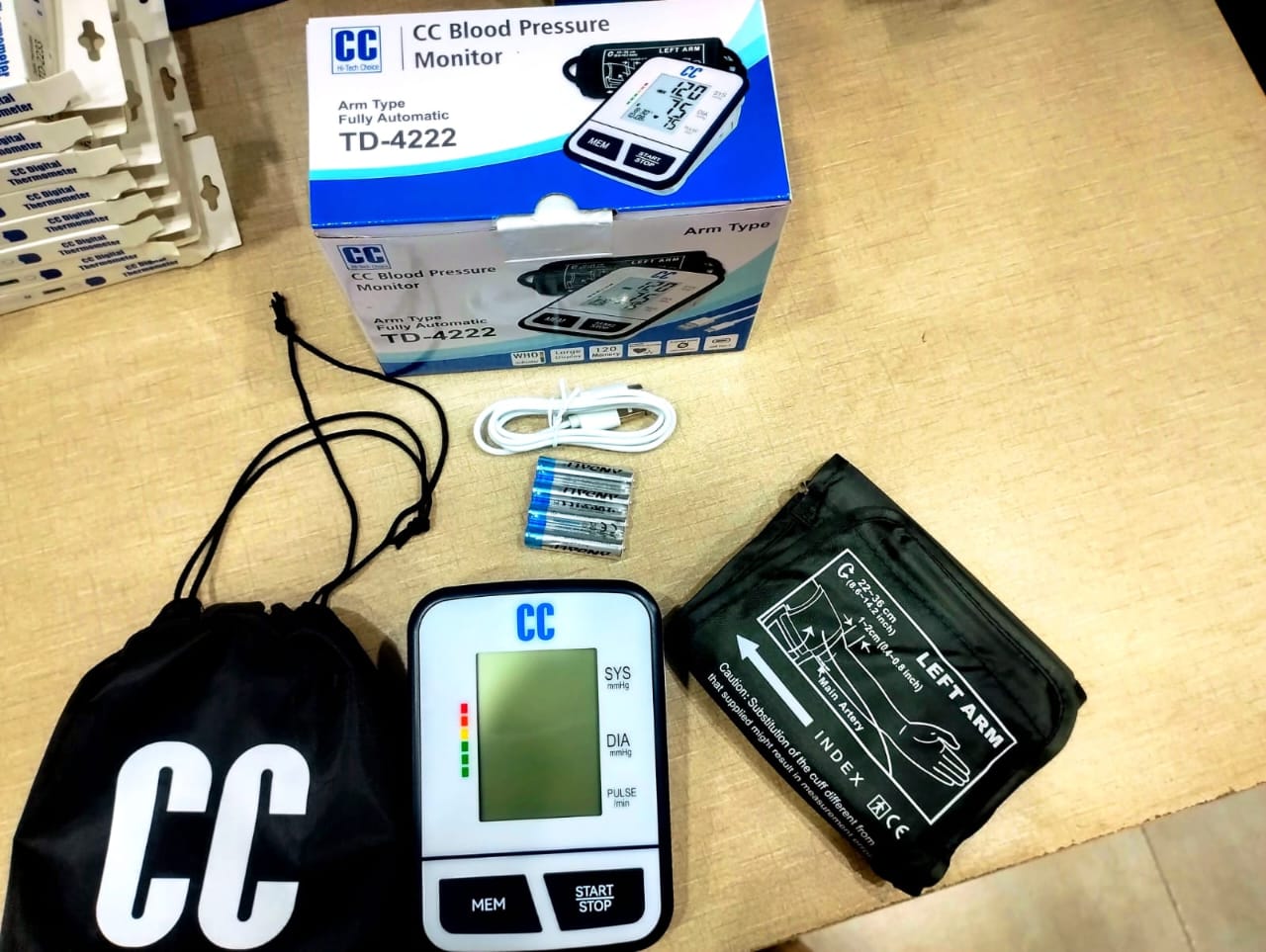
- Watch health markers. If you have high blood pressure or diabetes, monitor at home; both often improve early in a weight-loss plan. Our guide to choosing a blood pressure monitor explains what to look for.
When should you see a doctor first?
Speak to a doctor before starting any weight-loss plan if you are pregnant or breastfeeding, under 18, have diabetes on insulin or sulfonylureas (your doses may need adjusting as you eat less), have thyroid, kidney, liver or heart disease, or a history of an eating disorder. Also see a doctor if you are losing weight without trying — unexplained weight loss needs investigation, not celebration.