If you think you or someone near you is having a heart attack, treat it as an emergency now. Do not wait to finish reading, and do not drive yourself to hospital.
Why does this matter so much in Pakistan?
Cardiovascular disease is the leading cause of death in Pakistan, and South Asians develop it five to ten years earlier than Western populations — often in the forties, sometimes the thirties. We also develop insulin resistance and dangerous abdominal fat at a lower body weight, which is why "I am not that overweight" is a poor reassurance. A slim-looking man with a 38-inch waist, high triglycerides and untreated blood pressure is at real risk.
What are the warning signs of a heart attack?
The classic presentation is pressure, heaviness, squeezing or tightness in the centre of the chest lasting more than a few minutes, or going away and coming back. People often describe it as a weight on the chest rather than a sharp pain.
It commonly comes with one or more of:
- Pain spreading to the left arm, both arms, jaw, neck, upper back or stomach
- Cold sweat — often described as breaking out in a sudden clammy sweat
- Shortness of breath, with or without chest pain
- Nausea, vomiting, or what feels like severe indigestion
- Sudden overwhelming fatigue, dizziness or a sense of doom
Symptoms that get missed
Women, adults over 70, and people with diabetes (whose nerve damage blunts pain) often have no dramatic chest pain at all. Their heart attack presents as unusual fatigue, breathlessness on mild exertion, nausea, or jaw and back discomfort. In Pakistan these are very frequently dismissed as "gas" or acidity — and antacid is taken while heart muscle dies.
Rule of thumb: new, unexplained chest, jaw, arm or upper-back discomfort in anyone over 35 — especially with diabetes, high blood pressure, smoking or a family history — should be assumed cardiac until a doctor says otherwise.
What should you do in the first ten minutes?
- Call for emergency help immediately (Rescue 1122, or your nearest hospital with a cardiac emergency). An ambulance can begin treatment on the way; a private car cannot.
- Stop all activity and sit down, leaning back, knees bent. Do not walk around or "try to shake it off".
- Chew — do not swallow whole — a 300 mg aspirin (or three 100 mg tablets) unless the person is allergic to aspirin, has been told not to take it, or is actively bleeding. Chewing gets it absorbed faster. This single step measurably improves survival.
- Loosen tight clothing and keep the person calm and still.
- If they become unresponsive and are not breathing normally, start chest compressions: centre of the chest, hard and fast, about 100–120 per minute, and keep going until help arrives.
- Do not give food or water, and do not give a nitrate tablet that belongs to someone else.
Time is muscle. Every 30 minutes of delay measurably increases permanent heart damage, and the greatest delay in Pakistan is almost always the decision to go, not the journey.
Which numbers actually decide your risk?
| Number | General target for most adults | How to check |
|---|---|---|
| Blood pressure | Below 130/80 mmHg | Home monitor, twice daily for a week |
| HbA1c (3-month sugar) | Below 5.7% (non-diabetic) | Lab test |
| LDL cholesterol | Lower is better; target set by your risk | Fasting lipid profile |
| Waist circumference | Under 90 cm (men), 80 cm (women) — South Asian cut-offs | Tape measure at the navel |
| Smoking | Zero, including naswar and vaping | — |
| Activity | 150 minutes per week of brisk walking | — |
Note the South Asian waist cut-offs: they are lower than international ones, because our risk starts at a smaller waist.
Why home blood pressure monitoring changes outcomes
High blood pressure causes no symptoms in most people until it has already damaged the heart, kidneys or eyes. A single clinic reading is a poor guide — anxiety at the doctor's raises it ("white-coat effect"), and a normal reading on one day proves little.
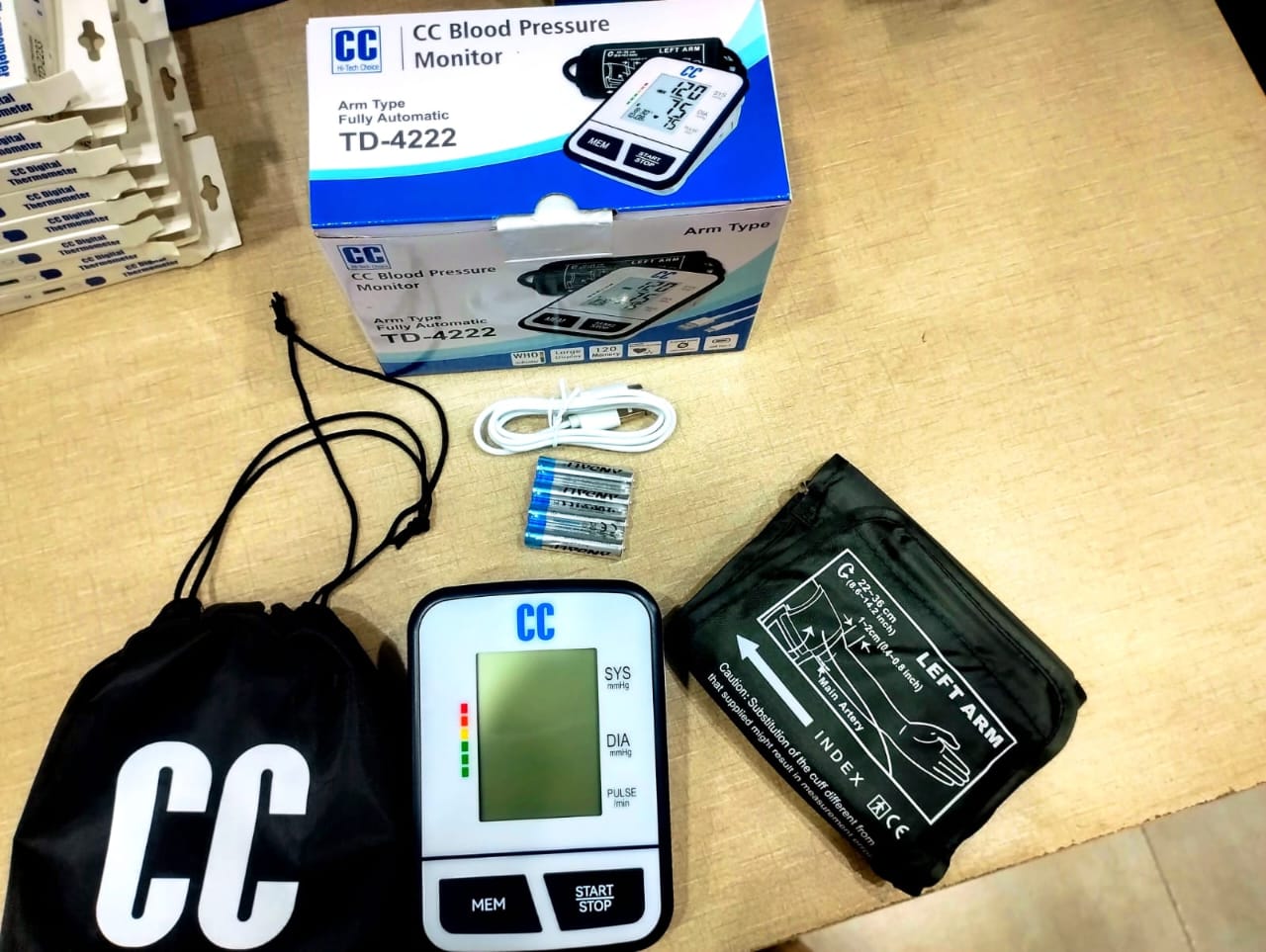
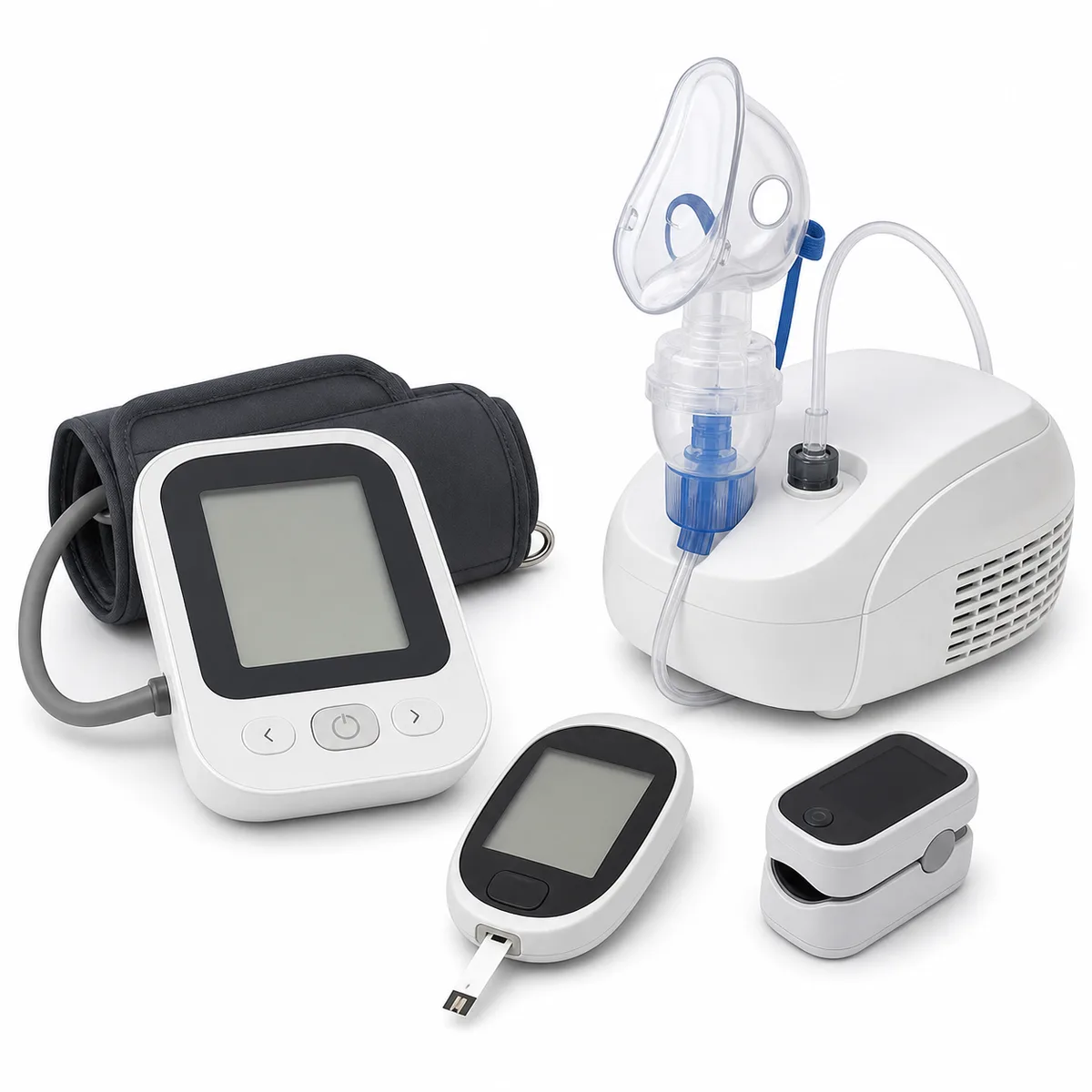
Checking at home twice daily for a week gives your doctor a real picture and catches hypertension years earlier. Our guide on how to choose a blood pressure monitor covers cuff size and accuracy; an automatic upper-arm device is the right choice for almost everyone.
What genuinely lowers heart risk?
- Stop smoking. Risk begins falling within weeks. Nothing else you do returns as much.
- Get blood pressure to target — through weight, salt reduction and, where prescribed, medicine taken daily and consistently.
- Lose abdominal weight. Even 5–10% of body weight meaningfully improves blood pressure, sugar and lipids. See our weight-loss guide.
- Cut salt. Most of the salt in a Pakistani diet is not from the salt shaker — it is in namkeen, papad, achar, packaged masalas, processed meat and restaurant food.
- Walk 30 minutes, five days a week. Brisk enough that talking is slightly effortful.
- Take prescribed medicines every day. Stopping blood-pressure or statin medicine because "I feel fine" is one of the most common and most costly mistakes in cardiac care.
- Manage sleep and stress. Untreated sleep apnoea (loud snoring plus daytime sleepiness) raises blood pressure and is under-diagnosed here.
Do supplements protect your heart?
No supplement substitutes for blood-pressure control, not smoking, or a statin where one is indicated. Omega-3 fish oil has some evidence for lowering triglycerides, and correcting a genuine vitamin D deficiency is worthwhile for general health. Treat these as additions at the margin, and tell your doctor what you take — fish oil and high-dose vitamin E can increase bleeding risk if you are on a blood thinner.
Who should get checked even without symptoms?
Ask your doctor for a cardiovascular risk assessment if you are over 40, or over 30 with any of: diabetes, high blood pressure, smoking, obesity, a parent or sibling with early heart disease (father before 55, mother before 65), chronic kidney disease, or a history of pre-eclampsia or gestational diabetes.
This guide is general health information for adults in Pakistan. It is not a diagnosis, prescription or a substitute for seeing a qualified doctor.